

Today we travel to Panagyurishte – a city that preserves the memory of heroic eras, golden treasures and the spirit of the Bulgarian Renaissance. In just one day we will immerse ourselves in the history of the Thracians through the shining Panagyurishte Golden Treasure, we will cross the threshold of Raina Knyaginya's house, feel the lively rhythm of the city center with its fountains and climb the steps to the monument, which reveals incredible views. Along the way, we will encounter the raw lines of the Tsar Asen mine and a completely unexpected scrap art space near the village of Svoboda - places that show different faces of the Srednogorye and prove that adventures are often closest to us.

The Historical Museum and the Panagyurishte Golden Treasure
The visit to Panagyurishte begins with an emblematic place – the Historical museum. It is here that the world-famous Panagyurishte gold treasure is exhibited. In the twilight of the special hall, the golden rhytons and phials shine so that one is taken back in thought to ancient rituals and Thracian legends. The exposition is arranged in such a way as to show not only the value of the metal, but also the craftsmanship of the ancient goldsmiths. Paraphrased from the board: over the centuries, the processing of precious metals in the Bulgarian lands has developed both elitist and folk traditions, formed a sustainable cultural identity and an impressive variety of ornaments.
The museum also provides a broader context for the Revival. The masters of the 19th century combined crafts and art, with common household objects often being unique works of art. The artistic culture of that time accepted influences from different parts of Europe, but transformed them according to local traditions and ethnic factors. Thus, the applied arts served both national self-awareness and the processes of Europeanization.


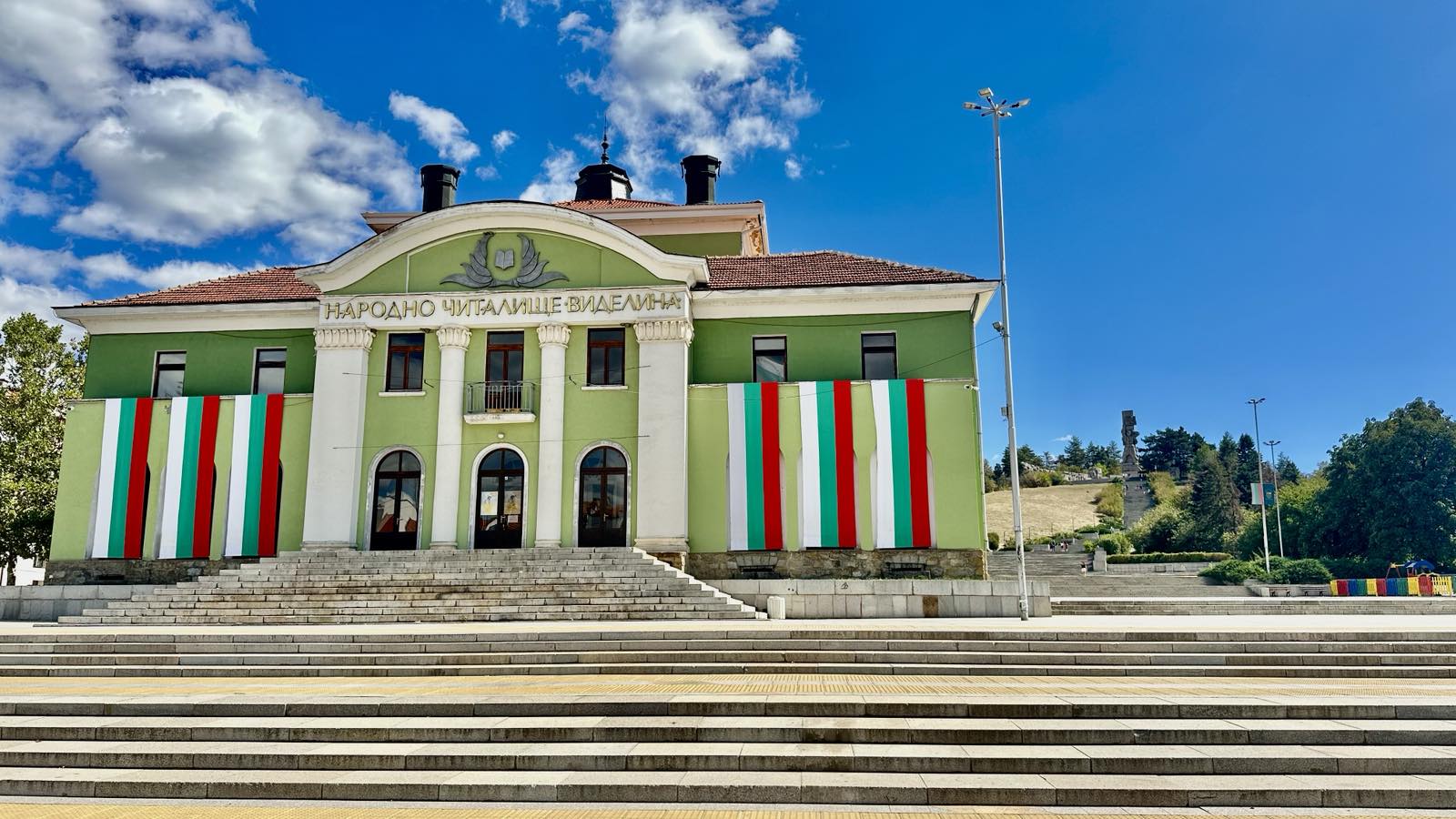
Donation is another important theme in the museum. It is described as an act of generosity and patriotism, through which the people of Panagyurishte have supported the cultural and spiritual rise of the nation. Philanthropy is presented here as a testament to morality, faith and love for the fatherland – a tradition that continues to inspire.
Bulgarian jewelry and traditions – living testimonies
Part of the museum's exhibits tell about women's jewelry in the 18th–19th centuries. Belts with metal buckles were not only an ornament, but also a sign of social status. According to museum data, the manufacturing techniques included forging, engraving, casting, filigree and openwork. The buckles often combined natural motifs, Christian symbols and folklore elements.


Bracelets varied in shape, from two semicircular, delicate halves connected by a hinge, to square plates with chains. 19th-century rings, called "stolovaty," were decorated with beads, enamel, and stones, and men's rings often had initials or characters engraved on the front.
The House-Museum of Raina Knyaginya
The next stop for every traveler should be the home of Raina Knyaginya – the woman who embroidered the flag of the April Uprising. In the courtyard, time seems to have stopped, and inside – exhibits, photographs and objects recreate the atmosphere of her life and the era. The place carries a strong emotional charge – a sense of courage, self-sacrifice and intransigence. The embroideries, fabrics and jewelry reflect a symbolic language: according to the museum’s board, it was through them that a woman expressed her belonging, faith and social status. In the past, the head was considered the most vulnerable part of the human body and therefore was the most richly decorated – tiaras, rosaries, tresses and pendants protected against the “evil eye” and carried messages of well-being.


A walk through the center of Panagyurishte and a climb to the monument
The center of Panagyurishte impresses with its orderly urban space, beautiful fountains and a welcoming atmosphere. From here begins the climb up the steps to the monument that rises above the city. The view from the top is impressive – the panorama reveals the rooftops of Panagyurishte, the surrounding hills and the horizon of the Srednogorye Mountains. A unique view and a walk that you should definitely see!

Find great places and recommended businesses in our business directory…







Tsar Asen Mine – an industrial landscape with character
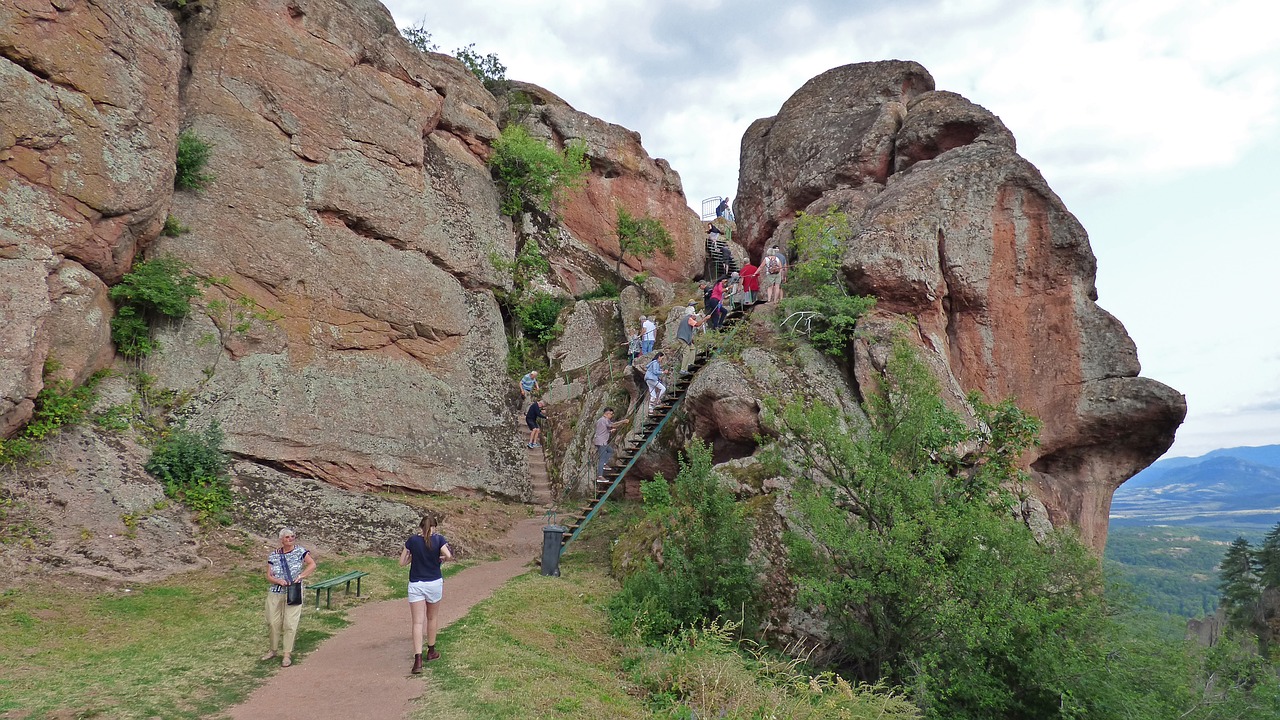
After Panagyurishte, your route should continue to the Tsar Asen mine. Although it often remains off the tourist maps, this place impresses with its harsh geometry and incredibly futuristic views. Here, industry and nature meet, and the photographer discovers new shapes and colors – ocher, graphite, rusty shades. Shooting requires attention and safety, but the result is worth it – shots that show another, lesser-known side of the region and Bulgaria.

An unexpected find near the village of Svoboda
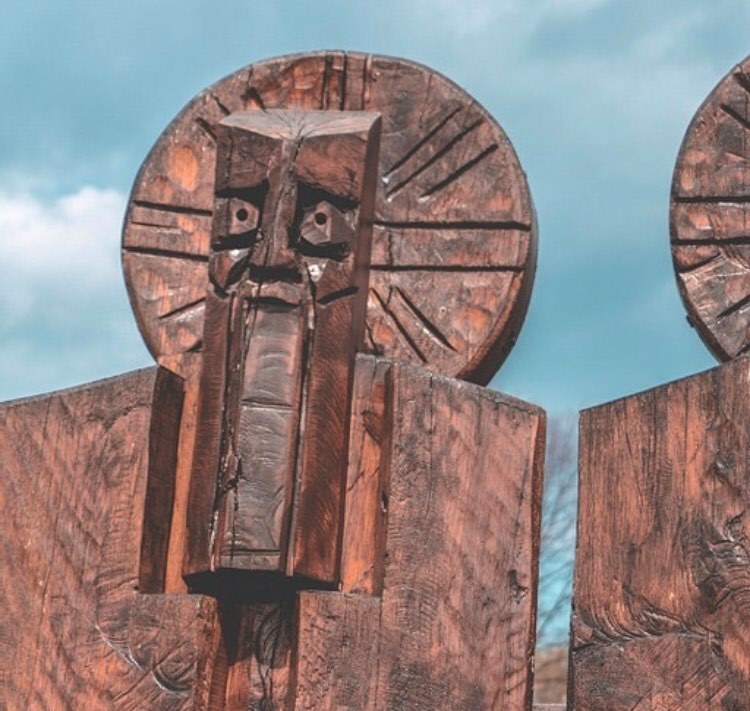
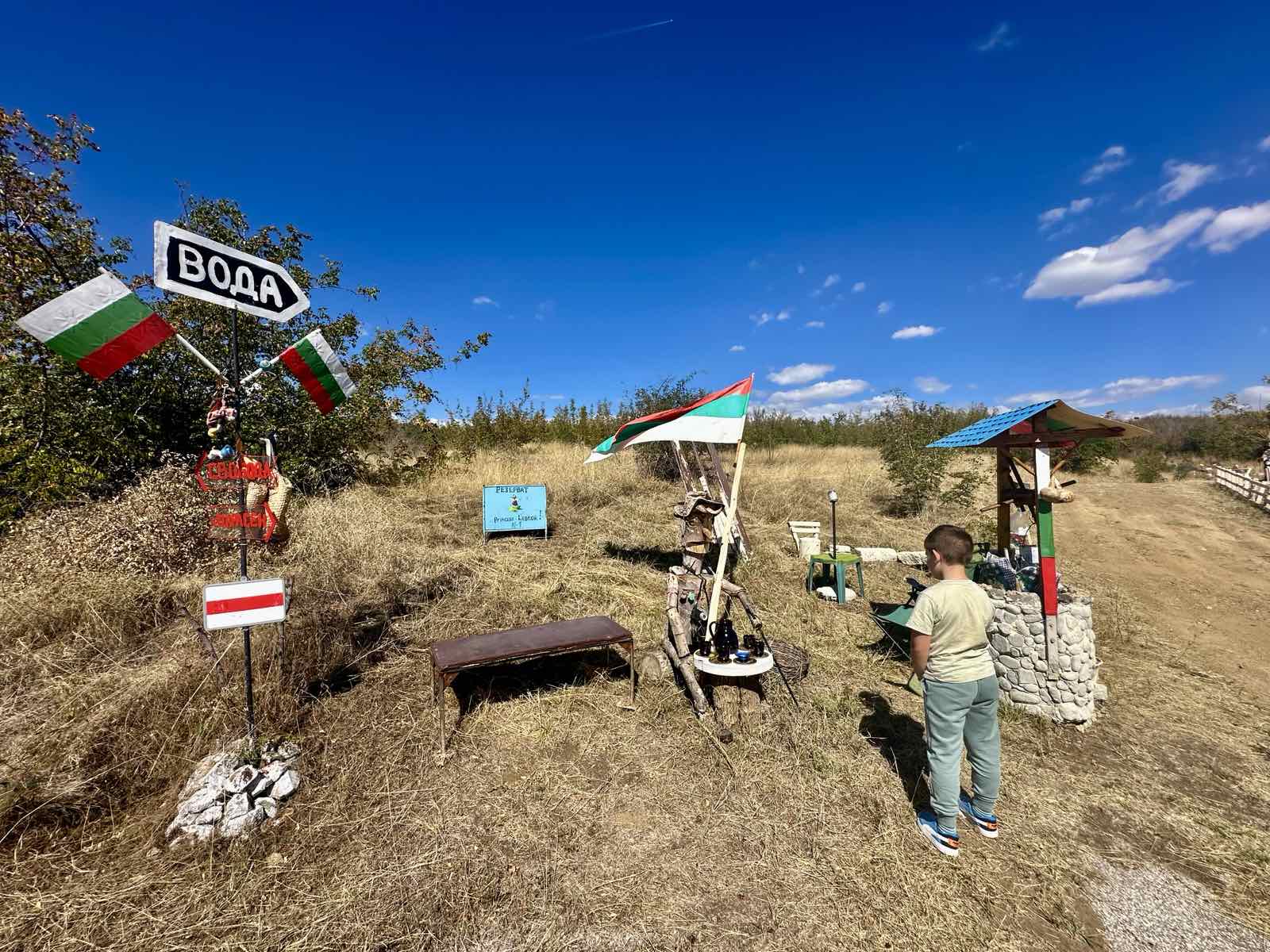
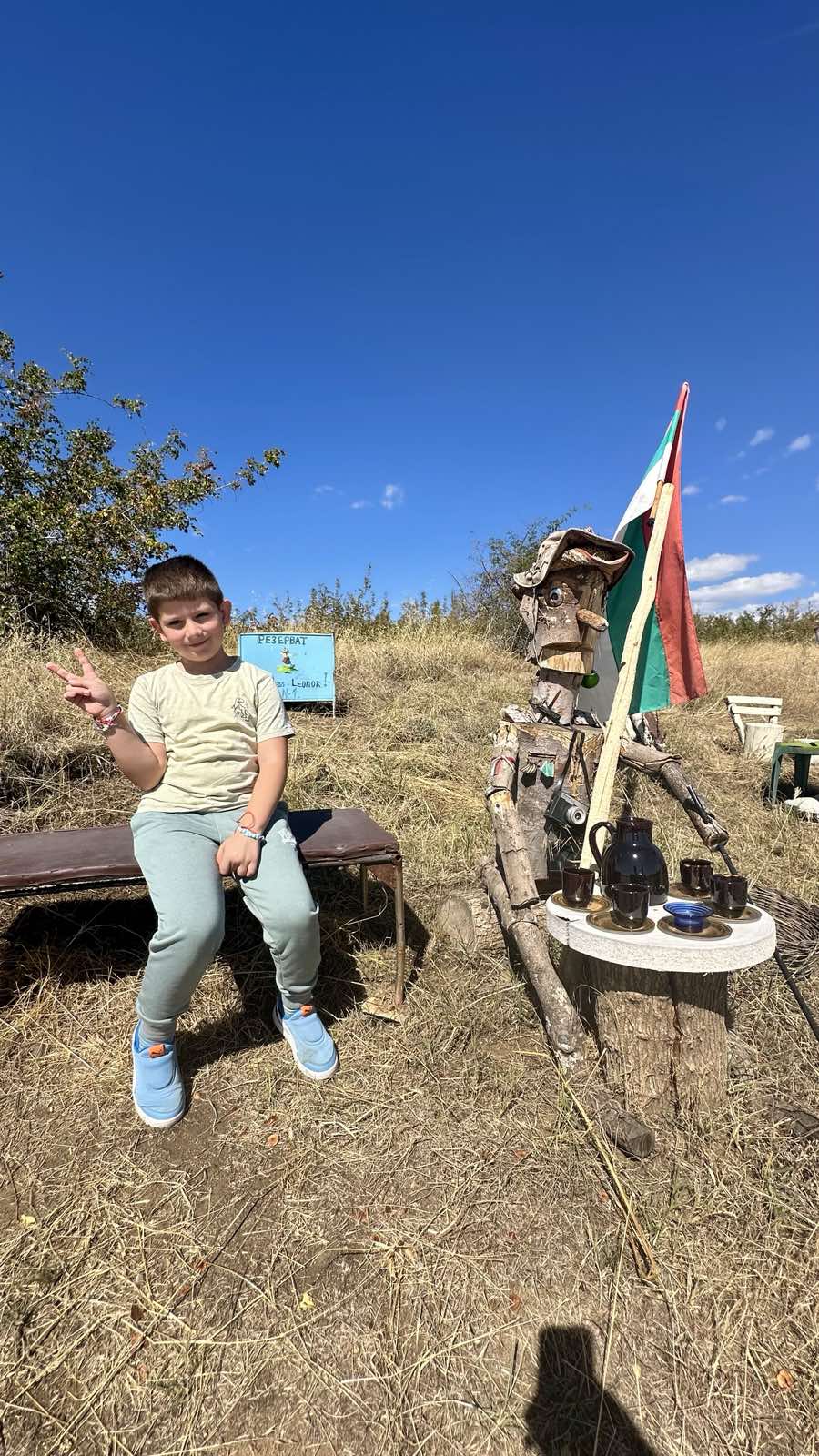
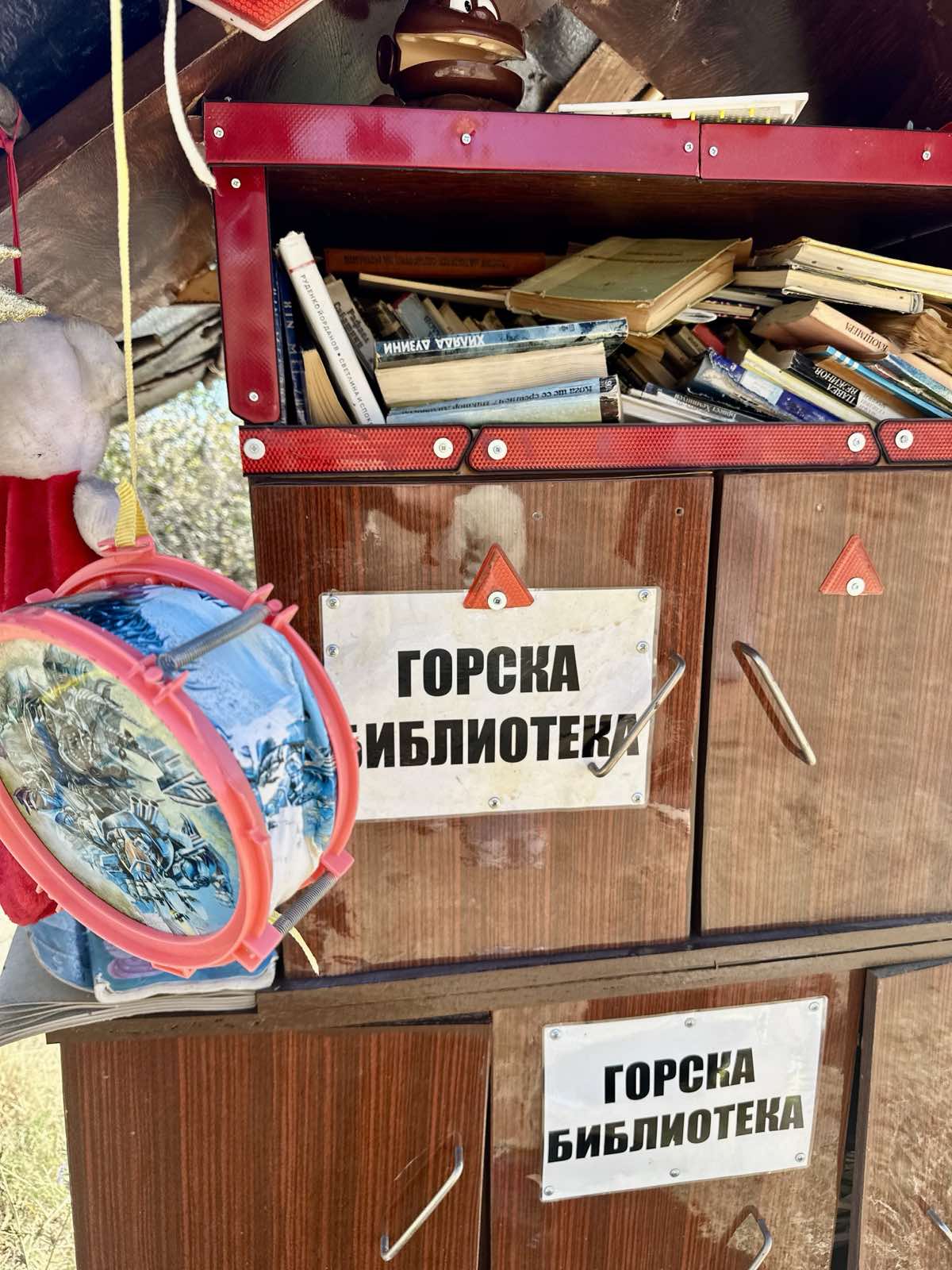
About three kilometers after the village of Svoboda you will find something truly unusual – a kind of open-air museum, built entirely from scrap and old objects. Bolts, pipes and sheets of metal have been transformed into bizarre figures and structures. This is authentic art outside the galleries, proving that creativity knows no bounds. The place is ideal for photography lovers – the wealth of textures and shapes is endless. This improvised exhibition gives a unique finale to the walk and is an example of how imagination can breathe life into forgotten objects.
Practical touches for the one-day itinerary
-
Start of the day: Start your tour with the History Museum in the morning, when it is calm and you can explore the exhibits in peace.
-
Renaissance atmosphere: After the museum, take some time to visit the Raina Knyaginya house-museum and take a walk in the city center.
-
Panoramic views: Save the climb to the monument for late afternoon, when the sun is low and the light is soft – perfect for drone photography.
-
Industrial landscape: Head to the Tsar Asen Mine and be careful - take photos from a safe distance, following the access rules.
-
Surprise ending: Finish the route with the open-air "museum" made of scrap metal near Svoboda - it will bring you a smile and great shots.
-
Equipment: If you're bringing a drone, check the flight conditions beforehand. A fast lens is suitable for photos in museums, and a wide-angle and telephoto lens is suitable for photos outside.
-
Time and transportation: The entire route can be easily covered in one day by private car. Make sure you have comfortable shoes for the climb to the monument and the stop at Svoboda.
Final impressions
The journey to Panagyurishte and the region is a meeting of eras and worlds – from Thracian gold and the determination of the Bulgarian Renaissance to industrial landscapes and unconventional scrap art. This combination shows the richness of Bulgarian culture and creativity. Whether you are a keen historian, a photography enthusiast or just looking for inspiration for a day trip, the Panagyurishte – Tsar Asen – Svoboda route will surprise and inspire you.
