
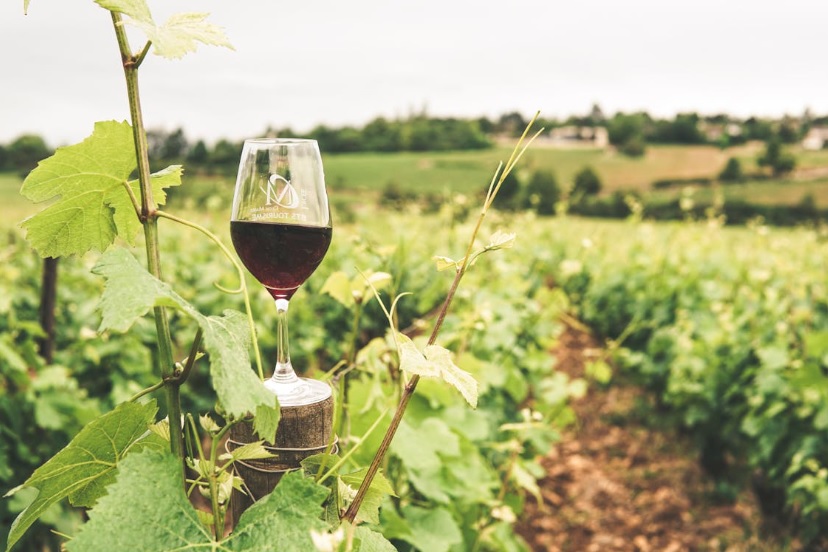
Bulgaria is a country with a rich wine tradition that dates back to ancient times. The Thracians, who inhabited the territories of present-day Bulgaria, are considered to be among the first wine producers in Europe. Today, wines in Bulgaria are not just a drink, but a true bearer of history, culture and terroir. Each region has its own unique climate, soils and grape varieties that create characteristic flavors and aromas.
One of the most famous wine regions is the Melnik region, located in the southwestern part of the country. It is known for its unique sandstone and clay soils, which give the grapes their characteristic aromas. Melnik is home to varieties such as the Shiroka Melnika vine, known for its fruity and slightly spicy taste. The wines from this region are slightly higher in alcohol, but are distinguished by their softness and long aftertaste. Visitors can explore traditional cellars and taste wines that are not found anywhere else.
Another important wine region is the Struma Valley, where red wines with a deep and rich character are produced. Varieties such as Mavrud and Rubin, which are typical for Bulgaria, are grown here. The region is known for its sunny days and protected mountain slopes, which affect the ripening of the grapes. Here visitors can learn about modern and traditional methods of wine production, including tastings in family cellars.
The Plovdiv region offers an interesting balance between red and white wines. It is popular with varieties such as Merlot, Syrah and Chardonnay. The climate of the region allows the grapes to develop rich aromas and fruity notes. Plovdiv is also known for its wine tourism, which includes vineyard tours, tastings and training in winemaking technology.
To the north, the Danube Plain offers a cooler climate and fertile soils. White wines such as Rkatsiteli and Dimyat are mainly produced here. This region is known for its light and refreshing wines that pair well with local cuisine. Wineries here often organize events and festivals that showcase the historical heritage of the area.
There are also smaller but very interesting wine regions in Bulgaria, such as Sakar, Sandanski and the Thracian Lowlands. Each of them offers unique varieties that tell the story of the local history and traditions. In Sakar, for example, wines are produced from the Rubin and Merlot varieties, which are strong but with a soft taste. Sandanski is known for its light white wines and wine tourism, while the Thracian Lowlands is distinguished by modern wineries and international awards.
Visiting the Bulgarian wine regions is a journey through history. Wines are a mirror of the country's culture, nature and traditions. They tell the story of ancient customs, climatic conditions and terroir. Every sip of wine is a combination of land, work and passion of the winemakers.
For tourists, this is a unique opportunity to get to know Bulgaria through taste. Local wineries offer tastings, trainings and walks among vineyards. Every visit is educational and inspiring. Bulgaria is a small country, but its wine regions offer a huge variety of tastes and aromas. They are proof that local wine can be a true storyteller of history and culture.
Wines in Bulgaria are more than just a drink. They are living proof of the rich historical heritage. Each region brings a unique identity and an opportunity for a journey through flavors and traditions. Bulgaria deserves to be discovered not only with eyes, but also with a sense of the aroma of grapes and the magic of local wine.
